
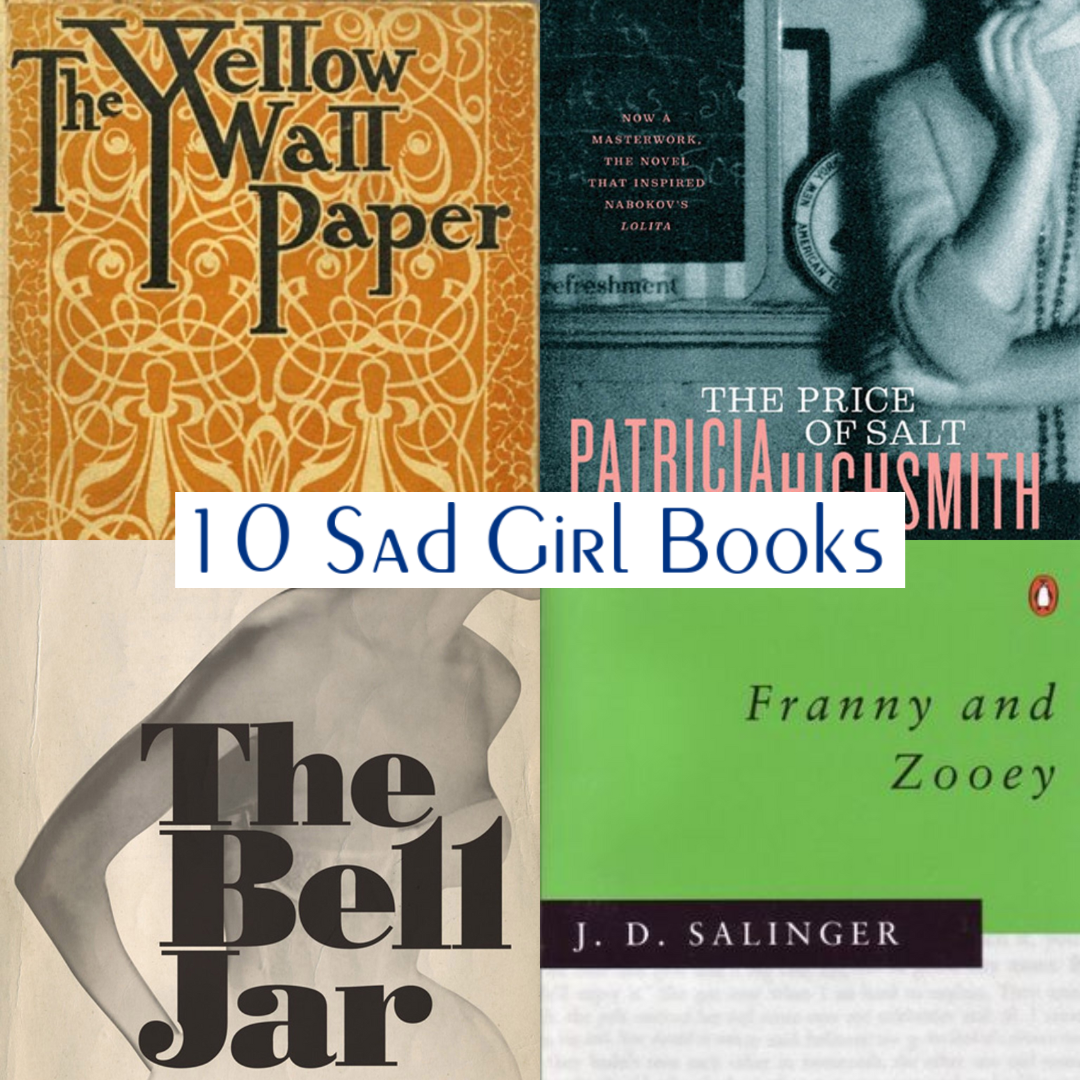
Happy Sad Girl Summer to all those who celebrate! For those who are unaware of what this means, it refers to a specific set of people who feel down in the summer, which is typically associated with fun, sunshine, and happiness. Of course, the key to overcoming these feelings is to just be depressed year round, so being a Sad Girl isn’t just limited to the summer.
This aesthetic has come under criticism in recent years, specifically for being white-centric or for being a performative online persona. But, as I recently wrote in an article commemorating the thirtieth anniversary of Girl, Interrupted, most people who relate to the Sad Girl lifestyle have known mental health struggles and take comfort in it. So without further ado, here are 10 Sad Girl books to add to your reading list.

My Last Innocent Year by Daisy Alpert Florin
It’s the winter of 1998 and Isabel Rosen has one semester left at Wilder College, a prestigious school in New Hampshire with a wealthy, elite student body and the sort of picturesque buildings college brochures were invented to capture. The only daughter of a Lower East Side appetizing store owner, Isabel has always felt out of place at Wilder, and the death of her mother shortly before she arrived on campus left her feeling unmoored in a way that’s proven hard to shake. Now, right as she’s coming to believe she’s finally found her place, the fallout from a nonconsensual sexual encounter with one of the only other Jewish students on campus leaves Isabel reeling. Enter R.H. Connelly: a once-famous poet and Isabel’s married writing professor, a man with secrets of his own. Connelly makes Isabel feel seen, beautiful, talented; the woman she longs to become. His belief in her ignites a belief in herself. The two begin an affair that shakes the foundation of who Isabel thinks she is, for better and worse. Set against the backdrop of the Clinton and Lewinsky scandal, My Last Innocent Year is a coming-of-age story about a young woman on the brink of sexual and artistic awakening, navigating her way toward independence while recognizing the power, beauty and grit of where she came from. Timely and wise, it reckons with the complexities of consent, what it means to be an adult, and whether or not we can ever outrun our bad decisions.
Read my full review here, and buy a copy here.

The Price of Salt by Patricia Highsmith
A chance encounter between two lonely women leads to a passionate romance in this lesbian cult classic. Therese, a struggling young sales clerk, and Carol, a homemaker in the midst of a bitter divorce, abandon their oppressive daily routines for the freedom of the open road, where their love can blossom. But their newly discovered bliss is shattered when Carol is forced to choose between her child and her lover. Author Patricia Highsmith is best known for her psychological thrillers Strangers on a Train and The Talented Mr. Ripley. Originally published in 1952 under a pseudonym, The Price of Salt was heralded as “the novel of a love society forbids.” Highsmith’s sensitive treatment of fully realized characters who defy stereotypes about homosexuality marks a departure from previous lesbian pulp fiction.
Buy a copy here.

So Sad Today by Melissa Broder
Melissa Broder always struggled with anxiety. In the fall of 2012, she went through a harrowing cycle of panic attacks and dread that wouldn’t abate for months. So she began @sosadtoday, an anonymous Twitter feed that allowed her to express her darkest feelings, and which quickly gained a dedicated following. In So Sad Today, Broder delves deeper into the existential themes she explores on Twitter, grappling with sex, death, love, low self-esteem, addiction, and the drama of waiting for the universe to text you back. With insights as sharp as her humor, Broder explores, in prose that is both ballsy and beautiful, aggressively colloquial and achingly poetic, questions most of us are afraid to even acknowledge, let alone answer, in order to discover what it really means to be a person in this modern world.
Buy a copy here.

My Year of Rest and Relaxation by Otessa Moshfegh
Our narrator should be happy, shouldn’t she? She’s young, thin, pretty, a recent Columbia graduate, works an easy job at a hip art gallery, lives in an apartment on the Upper East Side of Manhattan paid for, like the rest of her needs, by her inheritance. But there is a dark and vacuous hole in her heart, and it isn’t just the loss of her parents, or the way her Wall Street boyfriend treats her, or her sadomasochistic relationship with her best friend, Reva. It’s the year 2000 in a city aglitter with wealth and possibility; what could be so terribly wrong? My Year of Rest and Relaxation is a powerful answer to that question. Through the story of a year spent under the influence of a truly mad combination of drugs designed to heal our heroine from her alienation from this world, Moshfegh shows us how reasonable, even necessary, alienation can be. Both tender and blackly funny, merciless and compassionate, it is a showcase for the gifts of one of our major writers working at the height of her powers.
Buy a copy here.

Play It As It Lays by Joan Didion
Play It As It Lays is the unforgettable story of a woman and a society come undone. Raised in the ghost town of Silver Wells, Nevada, Maria Wyeth is an ex-model and the star of two films directed by her estranged husband, Carter Lang. But in the spiritual desert of 1960s Los Angeles, Maria has lost the plot of her own life. Her daughter, Kate, was born with an “aberrant chemical in her brain.” Her long-troubled marriage has slipped beyond repair, and her disastrous love affairs and strained friendships provide little comfort. Her only escape is to get in her car and drive the freeway—in the fast lane with the radio turned up high—until it runs out “somewhere no place at all where the flawless burning concrete just stopped.” But every ride to nowhere, every sleepless night numbed by pills and booze and sex, makes it harder for Maria to find the meaning in another day.
Buy a copy here.

The Yellow Wallpaper by Charlotte Perkins Gilman
“The Yellow Wallpaper,” by Charlotte Perkins Gilman, is a short story first published in January 1892. The psychological thriller by the renowned U.S. women’s rights writer and campaigner is an autobiographical-inspired novella based upon her own experience of severe postnatal depression, leading to postnatal psychosis. At the time, women with PND (known in America as postpartum depression) were seen as hysterical and were often dismissed by doctors who overlooked treatment options through lack of understanding of the condition. In Perkins’ short story, written tellingly from the first-person perspective, the nameless female protagonist is forced to sleep in an attic with yellow wallpaper and is driven mad by her enforced imprisonment following the birth of her first child. The book describes in detail how she sees imagined beings and ghostly sightings in the house. Disturbing in its nature yet utterly realistic to the heroine, the protagonist offers a diary-style narrative detailing her experience as a new mother suffering with severe mental illness.
Buy a copy here.

I Want to Die But I Want to Eat Tteokbokki by Baek Sehee
Baek Sehee is a successful young social media director at a publishing house when she begins seeing a psychiatrist about her… What to call it? Depression? She feels persistently low, anxious, endlessly self-doubting, but also highly judgmental of others. She hides her feelings well at work and with friends, performing the calmness her lifestyle demands. The effort is exhausting, overwhelming, and keeps her from forming deep relationships. This can’t be normal. But if she’s so hopeless, why can she always summon a desire for her favorite street food: the hot, spicy rice cake, tteokbokki? Is this just what life is like? Recording her dialogues with her psychiatrist over a twelve-week period, and expanding on each session with her own reflective micro-essays, Baek begins to disentangle the feedback loops, knee-jerk reactions, and harmful behaviors that keep her locked in a cycle of self-abuse. Part memoir, part self-help book, I Want to Die But I Want to Eat Tteokbokki is a book to keep close and to reach for in times of darkness. It will appeal to anyone who has ever felt alone or unjustified in their everyday despair.
Buy a copy here.

Franny and Zooey by J.D. Salinger
“Everything everybody does is so I don’t know—not wrong, or even mean, or even stupid necessarily. But just so tiny and meaningless and—sad-making. And the worst part is, if you go bohemian or something crazy like that, you’re conforming just as much only in a different way.” A novel in two halves, Franny and Zooey brilliantly captures the emotional strains and traumas of entering adulthood. It is a gleaming example of the wit, precision, and poignancy that have made J. D. Salinger one of America’s most beloved writers.
Buy a copy here.
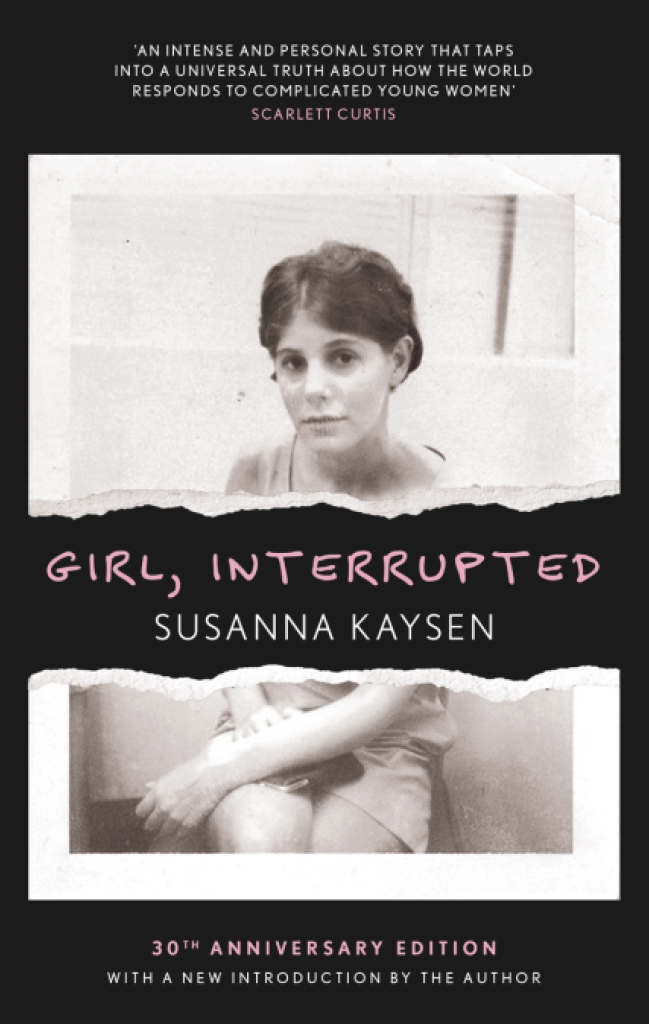
Girl, Interrupted by Susanna Kaysen
The ward for teenage girls in the McLean psychiatric hospital was as renowned for its famous clientele—Sylvia Plath, Robert Lowell, James Taylor, and Ray Charles—as for its progressive methods of treating those who could afford its sanctuary. Kaysen’s memoir encompasses horror and razor-edged perception while providing vivid portraits of her fellow patients and their keepers. It is a brilliant evocation of a “parallel universe” set within the kaleidoscopically shifting landscape of the late sixties. Girl, Interrupted is a clear-sighted, unflinching document that gives lasting and specific dimension to our definitions of sane and insane, mental illness and recovery.
Buy a copy here.
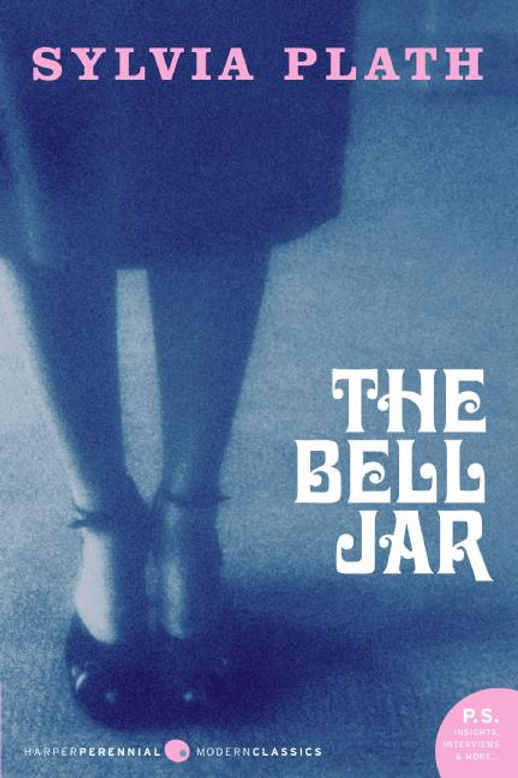
The Bell Jar by Sylvia Plath
Esther Greenwood, a young woman from the suburbs of Boston, gains a summer internship at a prominent magazine in New York City, under editor Jay Cee; however, Esther is neither stimulated nor excited by either the big city or the glamorous culture and lifestyle that girls her age are expected to idolize and emulate. She instead finds her experience to be frightening and disorienting. From hereafter her mental state keeps deteriorating until she starts feeling helpless as if being kept inside a glass bell jar. The Bell Jar is the only novel written by the American writer and poet Sylvia Plath. Originally published under the pseudonym “Victoria Lucas” in 1963, the novel is semi-autobiographical, with the names of places and people changed. The book is often regarded as a roman à clef because the protagonist’s descent into mental illness parallels Plath’s own experiences with what may have been clinical depression or bipolar II disorder. Plath died by suicide a month after its first UK publication. The novel was published under Plath’s name for the first time in 1967 and was not published in the United States until 1971, in accordance with the wishes of both Plath’s husband, Ted Hughes, and her mother.
Buy a copy here.
If we aren’t already, let’s be friends on Goodreads!
When you shop through affiliate links on this page, I may earn a commission.


 Jeffrey Reads