

Hello, hi! How are you? Ready for September to stop being hot-as-balls so cozy season can finally commence? That’s the only answer I’ll accept. I’m sad to report that my summer was something of a season of duds in terms of reading, so I’ve gladly left the titles that left me disappointed off this list. But the books I did enjoy this summer were books I really enjoyed, with some being contenders for my picks for the best books of the year, which is somehow already rapidly approaching. If there’s one thing we hold dear around these parts, it’s that time is meaningless, as are TBR lists. Read whatever your little heart desires, lawless bookworms! Here are the best books I read this summer.
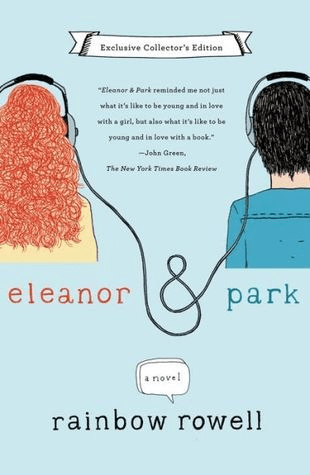
Eleanor & Park by Rainbow Rowell
I decided to reread this adolescent favorite of mine for the first time in 10 years, and it gave me all the same feels all over again. Two misfits. One extraordinary love. Eleanor: red hair, wrong clothes. Standing behind him until he turns his head. Lying beside him until he wakes up. Making everyone else seem drabber and flatter and never good enough. Park: he knows she’ll love a song before he plays it for her. He laughs at her jokes before she ever gets to the punch line. There’s a place on his chest, just below his throat, that makes her want to keep promises. Set over the course of one school year, this is the story of two star-crossed sixteen-year-olds—smart enough to know that first love almost never lasts, but brave and desperate enough to try.
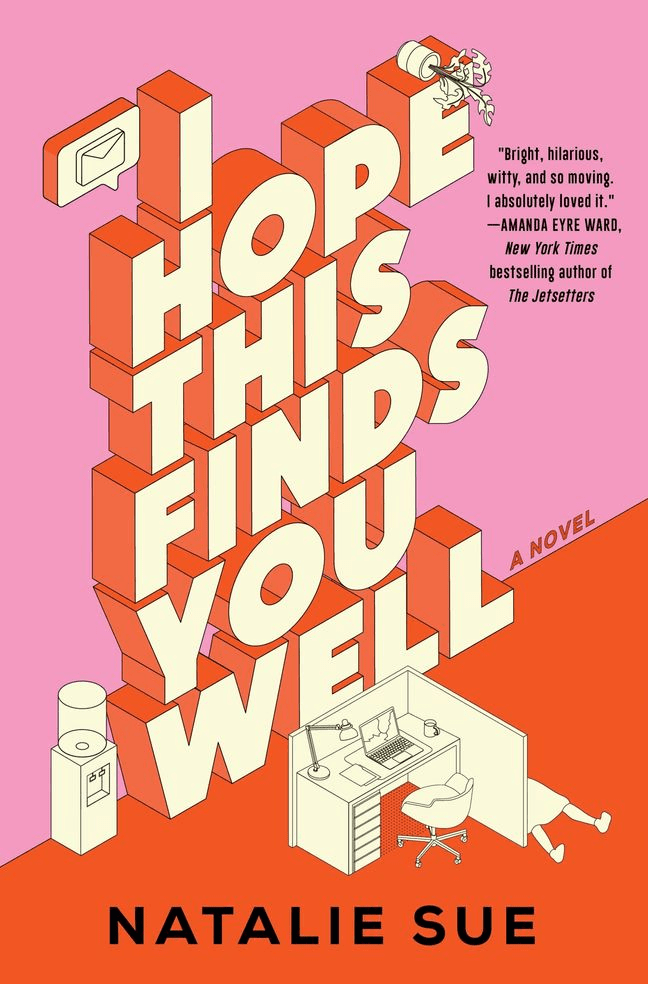
I Hope This Finds You Well by Natalie Sue
As far as Jolene is concerned, her interactions with her colleagues should start and end with her official duties as an admin for Supershops, Inc. Unfortunately, her irritating, incompetent coworkers don’t seem to understand the importance of boundaries. Her secret to survival? She vents her grievances in petty email postscripts, then changes the text colour to white so no one can see. That is, until one of her secret messages is exposed. Her punishment: sensitivity training (led by the suspiciously friendly HR guy, Cliff) and rigorous email restrictions.
When an IT mix-up grants her access to her entire department’s private emails and DMs, Jolene knows she should report it, but who could resist reading what their coworkers are really saying? And when she discovers layoffs are coming, she realizes this might just be the key to saving her job. The plan is simple: gain her boss’s favour, convince HR she’s Supershops material and beat out the competition. But as Jolene is drawn further into her coworker’s private worlds and secrets, her carefully constructed walls begin to crumble—especially around Cliff, who she definitely cannot have feelings for. Soon she will need to decide if she’s ready to leave the comfort of her cubicle, even if it means coming clean to her colleagues.
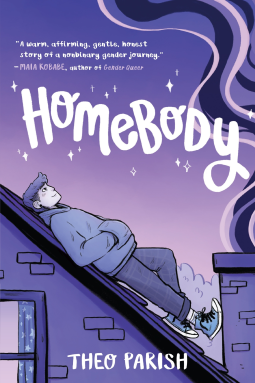
Homebody by Theo Parish
In their comics debut, Theo Parish masterfully weaves an intimate and defiantly hopeful memoir about the journey one nonbinary person takes to find a home within themself. Combining traditional comics with organic journal-like interludes, Theo takes us through their experiences with the hundred arbitrary and unspoken gender binary rules of high school, from harrowing haircuts and finally the right haircut to the intersection of gender identity and sexuality — and through tiny everyday moments that all led up to Theo finding the term “nonbinary,” which finally struck a chord. “Have you ever had one of those moments when all of a sudden things become clear…like someone just turned on a light?” A whole spectrum of people will be drawn to Theo’s storytelling, from trans or questioning teens and adults to any person looking to dive a little deeper into the way gender can shape identity. Throughout Homebody, Theo’s crystal-clear voice reminds the reader that it’s okay not to know, it’s okay to change your mind, and it’s okay to take your time finding your way home.
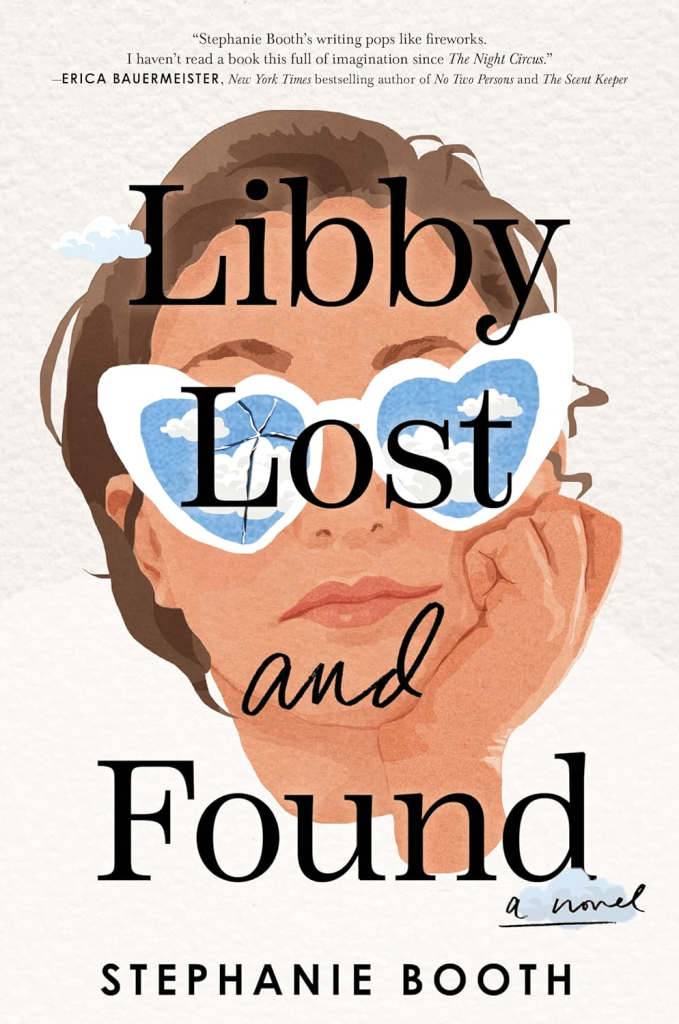
Libby Lost and Found by Stephanie Booth
Libby Lost and Found is a book for people who don’t know who they are without the books they love. It’s about the stories we tell ourselves and the chapters of our lives we regret. Most importantly, it’s about the endings we write for ourselves. Meet Libby Weeks, author of the mega-best-selling fantasy series, The Falling Children — written as “F.T. Goldhero” to maintain her privacy. When the last manuscript is already months overdue to her publisher and rabid fans around the world are growing impatient, Libby is diagnosed with early-onset Alzheimer’s.
Already suffering from crippling anxiety, Libby’s symptoms quickly accelerate. After she forgets her dog at the park one day — then almost discloses her identity to the journalist who finds him — Libby has to admit she needs help finishing the last book. Desperately, she turns to eleven-year-old superfan Peanut Bixton, who knows the books even better than she does but harbors her own dark secrets. Tensions mount as Libby’s dementia deepens —until both Peanut and Libby swirl into an inevitable but bone-shocking conclusion.
Thank you to Sourcebooks for the physical ARC!
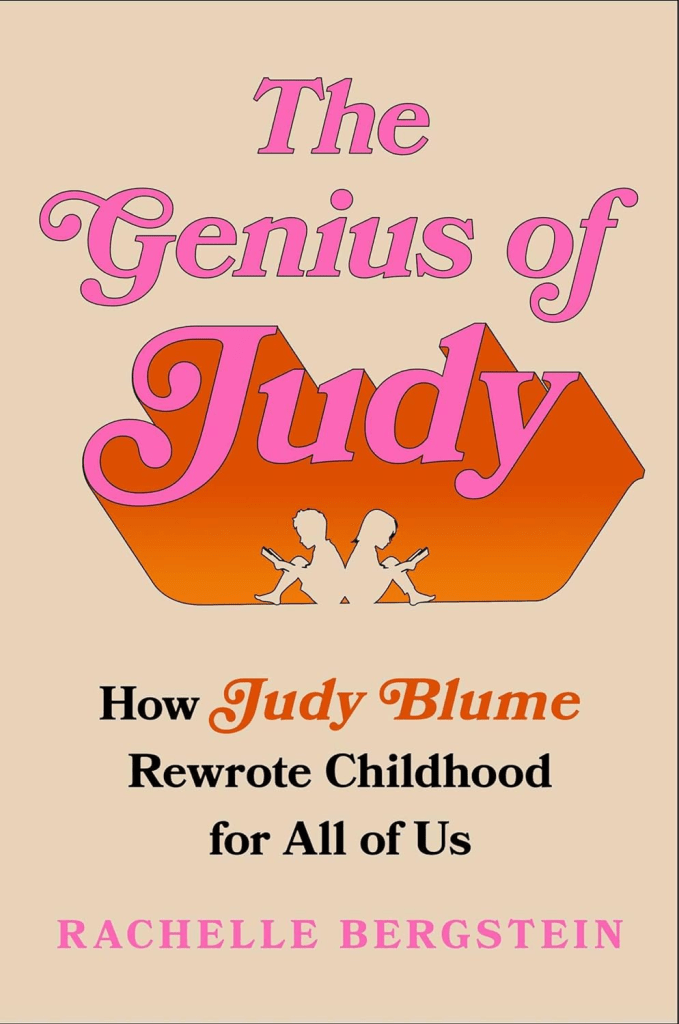
The Genius of Judy: How Judy Blume Rewrote Childhood For All of Us by Rachelle Bergstein
Everyone knows Judy Blume. Her books have garnered her fans of all ages for decades and sold tens of millions of copies. But why were people so drawn to them? And why are we still talking about them now in the 21st century? In The Genius of Judy, her remarkable story is revealed as never before, beginning with her as a mother of two searching for purpose outside of her home in 1960s suburban New Jersey. The books she wrote starred regular children with genuine thoughts and problems. But behind those deceptively simple tales, Blume explored the pillars of the growing women’s rights movement, in which girls and women were entitled to careers, bodily autonomy, fulfilling relationships, and even sexual pleasure. Blume wasn’t trying to be a revolutionary — she just wanted to tell honest stories — but in doing so, she created a cohesive, culture-altering vision of modern adolescence.
Blume’s bravery provoked backlash, making her most-banned author in the United States in the mid-1980s. Thankfully, her works withstood those culture wars and it’s no coincidence that Blume has resurfaced as a cultural touchstone now. Young girls are still cat-called, sex education curricula are getting dismissed as pornography, and entire shelves of libraries are being banned. As we face these challenges, it’s only natural we look to Blume, the grand dame of so-called dirty books. This is the story of how a housewife became a groundbreaking artist, and how generations of empowered fans are her legacy, today more than ever.

Men Have Called Her Crazy by Anna Marie Tendler
A powerful memoir that reckons with mental health as well as the insidious ways men impact the lives of women. In early 2021, popular artist Anna Marie Tendler checked herself into a psychiatric hospital following a year of crippling anxiety, depression, and self-harm. Over two weeks, she underwent myriad psychological tests, participated in numerous therapy sessions, connected with fellow patients and experienced profound breakthroughs, such as when a doctor noted, “There is a you inside that feels invisible to those looking at you from the outside.”
In Men Have Called Her Crazy, Tendler recounts her hospital experience as well as pivotal moments in her life that preceded and followed. As the title suggests, many of these moments are impacted by men: unrequited love in high school; the twenty-eight-year-old she lost her virginity to when she was sixteen; the frustrations and absurdities of dating in her mid-thirties; and her decision to freeze her eggs as all her friends were starting families. This stunning literary self-portrait examines the unreasonable expectations and pressures women face in the 21st century. Yet overwhelming and despairing as that can feel, Tendler ultimately offers a message hope. Early in her stay in the hospital, she says, “My wish for myself is that one day I’ll reach a place where I can face hardship without trying to destroy myself.” By the end of the book, she fulfills that wish.
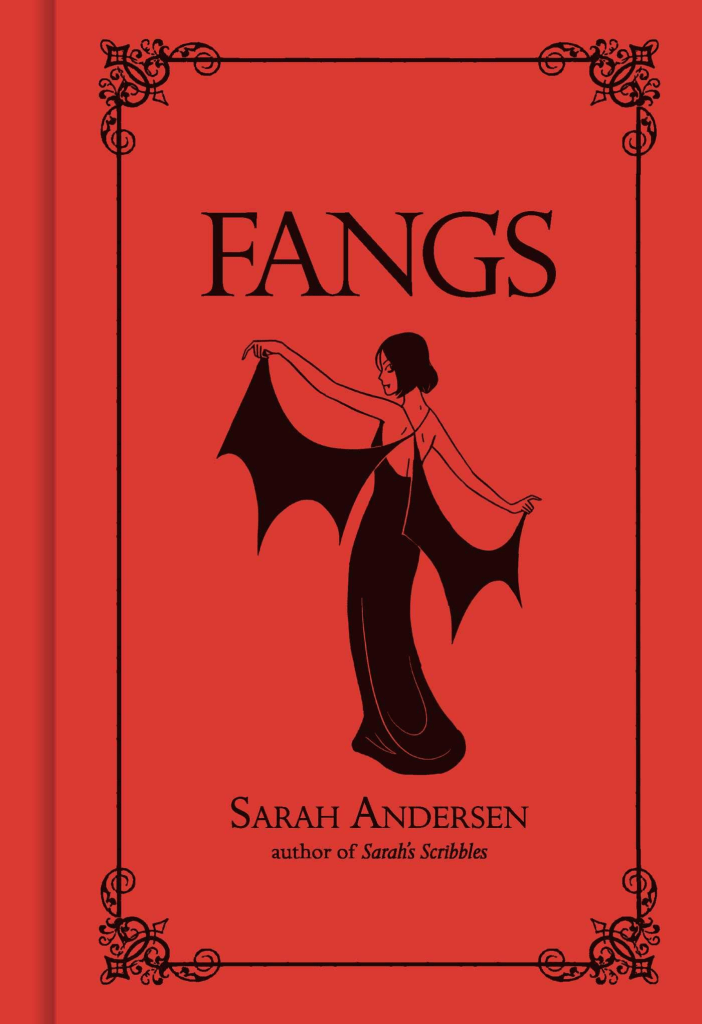
Fangs by Sarah Andersen
Elsie the vampire is three hundred years old, but in all that time, she has never met her match. This all changes one night in a bar when she meets Jimmy, a charming werewolf with a wry sense of humor and a fondness for running wild during the full moon. Together they enjoy horror films and scary novels, shady strolls, fine dining (though never with garlic), and a genuine fondness for each other’s unusual habits, macabre lifestyles, and monstrous appetites. First featured as a webcomic series on Tapas, Fangs chronicles the humor, sweetness, and awkwardness of meeting someone perfectly suited to you but also vastly different. Filled with Sarah Andersen’s beautiful gothic illustrations and relatable relationship humor, Fangs has all the makings of a cult classic.
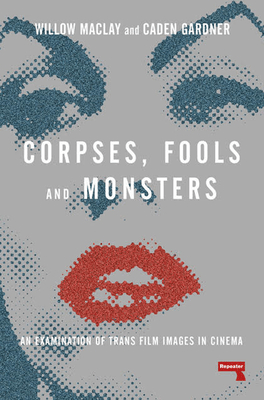
Corpses, Monsters and Fools: The History and Future of Transness in Cinema by Willow Maclay & Caden Gardner
There have been trans images in cinema for over a century — very often bad cultural objects and very often inspired by the cultural zeitgeist, from Christine Jorgensen to Candy Darling to a guest on The Jerry Springer Show. But now, trans cinema as a movement is slowly emerging from the margins to create a new film language, often in reaction to these historical trans film images that cast the trans body in abject form; a corpse, a foolish joke, a tragic martyr, or even a monster.
Corpses, Fools, and Monsters is a new radical history of these trans film images, and an exploration of the political possibilities of the new trans cinema movement. Analysing the work of trans cinema directors Isabel Sandoval, Silas Howard, and the Wachowski Sisters, it also discusses the trans film image in everything from pre-talkie films and Ed Wood B-movies to Oscar-winners, body horror and slashers. Going beyond reassessing notable films, performances, and portrayals, Corpses, Fools, and Monsters instead brings to light films and artists not given their due, along with highlighting filmmakers who are bringing trans cinema out of the margins in the twenty-first century.
If we aren’t already, let’s be friends on Goodreads! What were the best books you read this summer?
 Jeffrey Reads