
From genre-bending innovators to the return of beloved icons, 2025 has been a reflection of both the times and timeless emotions that accompany the best kind of listening experiences. Although you’ll notice many an absence of some significant albums released this year on this list, since many of them were just not up to the high standards I hold to artists of their caliber, the year did manage to yield a decent amount of fresh music that evoked both the latest sonic trends and throwbacks to the comforting sound of years past. Behold my list of picks for the 10 best albums of 2025.
Alessia Cara, Love & Hyperbole
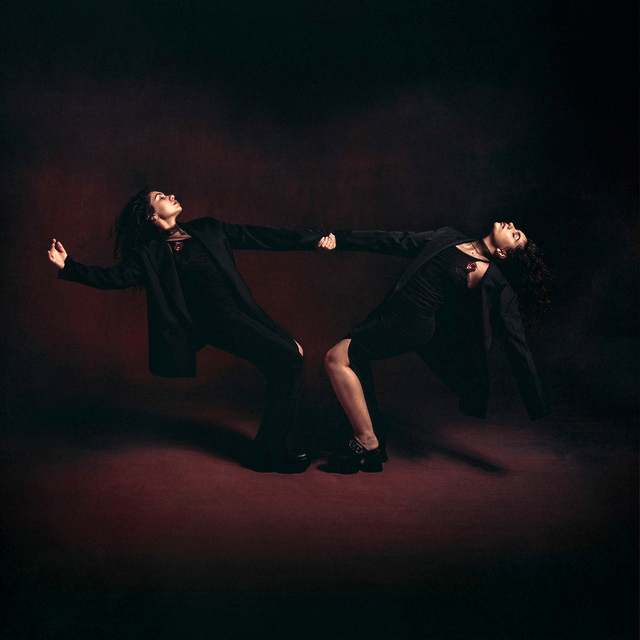
Alessia Cara has always been an introvert making music for other introverts, and her fourth studio effort Love & Hyperbole is no different. Where she continues her specialty of addressing her anxiety and, by extension, all of ours, on tracks like “Go Outside!” and “Subside,” Cara has grown into herself in a way that we haven’t before been privy to. She experiments with pop rock on “Get to You” and abandons her reflective, melancholic self for a moment of pure joy on “Nighttime Thing.” Elsewhere the singer continues to come into her own on singles like “(Isn’t It) Obvious” and “Slow Motion,” both of which indicate that Cara has at long last matured into adult pop. This year marked a decade since the singer released her first single, the sleeper hit “Here,” and there’s no better occasion to remark upon the musical growth Cara continues to display with each new release. Where she was in something of a self-made bell jar on its predecessors The Pains of Growing and In the Meantime, Cara’s Love & Hyperbole is a bold step forward, from the difficulties of growing up into the music of being whole.
Maren Morris, Dreamsicle

Maren Morris’ Dreamsicle is a deeply personal and genre-defying album that, much like her previous studio efforts, seamlessly blends her country roots with modern pop. Additional influences, such as soul and R&B, although quieter, contribute to the grander notions of a what a “country pop” album can be. With a voice that can shift from intimate tenderness to soaring power, Morris crafts a soundscape that feels both nostalgic and fresh, drawing listeners into a world of memories and self-discovery, anywhere from the title track to the cathartic “Cry in the Car” or “Cut!”, the latter a collaboration with Julia Michaels. Each song unfolds like a snapshot of a moment, capturing the warmth of youthful dreams and heartaches. But despite her crossover efforts, Morris reminds us that she is a country artist first and foremost on Dreamsicle. The heartwarming “Because, Of Course” and brash “This is How a Woman Leaves” are bold reminders that musical genres are merely constructs, and an artist as versatile as Morris can wear many hats at once. Indeed, her sonic flexibility is on full display throughout the record, effortlessly shifting between upbeat pop anthems and meditative country ballads. If anything, Dreamsicle feels like a journey through the seasons of life, capturing both the euphoria of new love and the melancholy of letting go.
Joe Jonas, Music For People Who Believe in Love
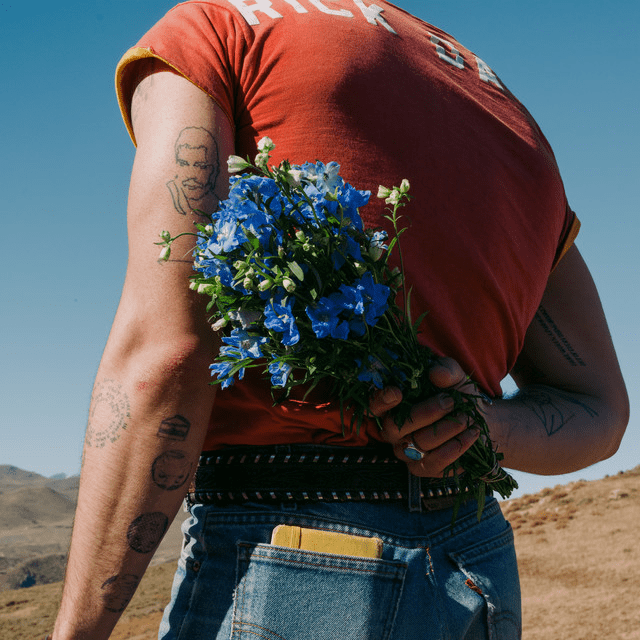
“I felt every fear ‘til the fear ran out,” sings Joe Jonas on his second studio album Music For People Who Believe in Love, his first solo project in 14 years since 2011’s Fastlife. Jonas’ second solo LP reminds us of many things. He’s an amazing vocalist, for starters, perhaps even stronger than his brother Nick, whose own solo talents have often taken the spotlight in their family group. Joe had things to prove when he made Fastlife, a record even most of his fans tend to forget about. Now, the singer is laidback, grownup and confident, while also not afraid to confront himself. Jonas receives lead songwriting credit on all but one track on Music For People Who Believe in Love, signalling that he is not only an accomplished singer but also has a knack for lyrics, a quality the pop albums made by his younger brother sorely lack. Jonas comes into his own on the record, a new chapter in his own personal artistic journey. The significant leap in personal growth is evident at every turn on the album. “You think you’re too cool to go to therapy,” he declares on “Work It Out,” the lead single. “But look at you, your anxiety’s got anxieties.” In a digital age of renewed toxic masculinity, hearing a male pop singer proclaim his affinity for therapy is refreshing.
Marina, Princess of Power
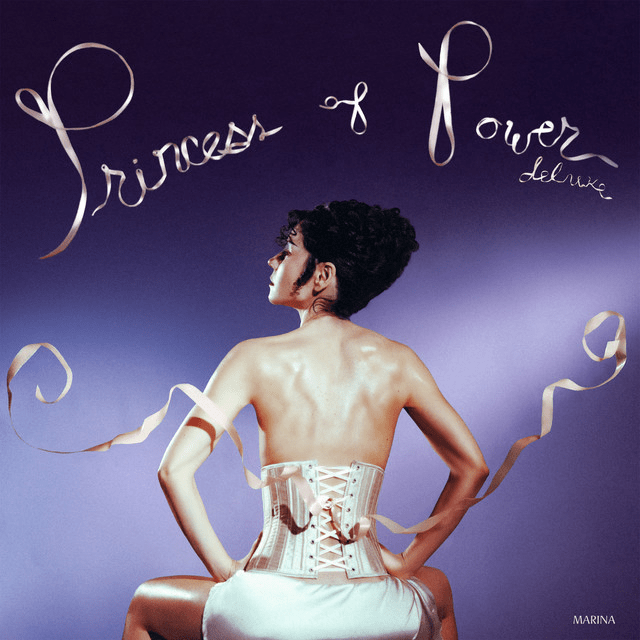
While I wasn’t the biggest fan of Marina’s latest body of work when it was first released, further listens as well as seeing her perform live on tour this year swiftly changed my mind about Princess of Power. The record is something of a millennial love letter, a concept album that imagines the Welsh pop sensation as a video game heroine. “Baby, I’ve been down, I’ve been down so low,” reflects Marina on “Rollercoaster,” a particular highlight. “But the more I love myself, the higher up I wanna go.” With razor sharp production by CJ Baran, Princess of Power is more a tale of a woman who already knows she possesses power, she’s just reclaiming it in a bold and campy way. Marina shared that the album is the journey of an aging woman still navigating the “youth-obsessed world of pop,” which can certainly be felt throughout the track listing. “My metallic stallion races off,” she sings, “but I chase him fast till I get on top.” Princess of Power’s strongest moment is the standard edition closer “Final Boss,” in which she eloquently asserts, “I’m fucking sick of you bullying me.” Whether this is intended for a past lover or the industry at large only contributes to the song’s double meaning, in which the singer is fed up of playing games with people beneath her. And now that she has beat the final boss, Marina has become the princess of power we’ve always known her to be.
Kesha, Period
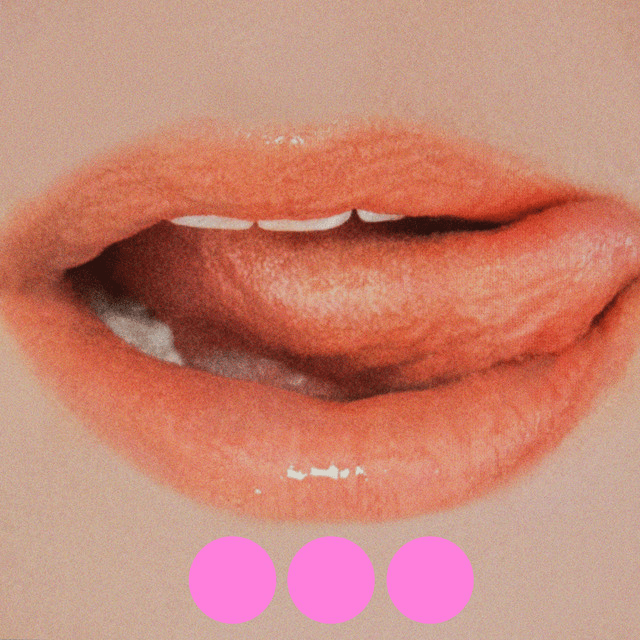
In case you hadn’t heard, Kesha is truly free. After settling out of court with her former producer Dr. Luke in 2023 — with whom she had been engaged in a highly publicized legal battle for nearly a decade — she began her own independent label Kesha Records to release her sixth studio album Period. The LP’s sound is something of a nostalgic throwback to the Kesha of the early 2010s while also being a dominant step forward into the future. For all of the heaviness that the singer has faced in her life and career for more than a decade, Period is light and carefree in a way that everybody — Kesha included — needs right now. The only heavy moment on the album is the powerhouse ballad “Cathedral,” in which she proclaims, “Hope is a madman that hides in my mind.” While Period is indeed a lighthearted romp absent of moody melancholia, it’s certainly repre8sentative of at least one person’s real human experience. The sentiment the singer expresses on tracks like “Yippie Ki Yay” or “Red Flag” are themes that run throughout the record. With all of these elements blended together, the album makes for the type of pop Kesha should have been making all along. A moment of silence for the pop albums lost to her years of litigation.
Ava Max, Don’t Click Play
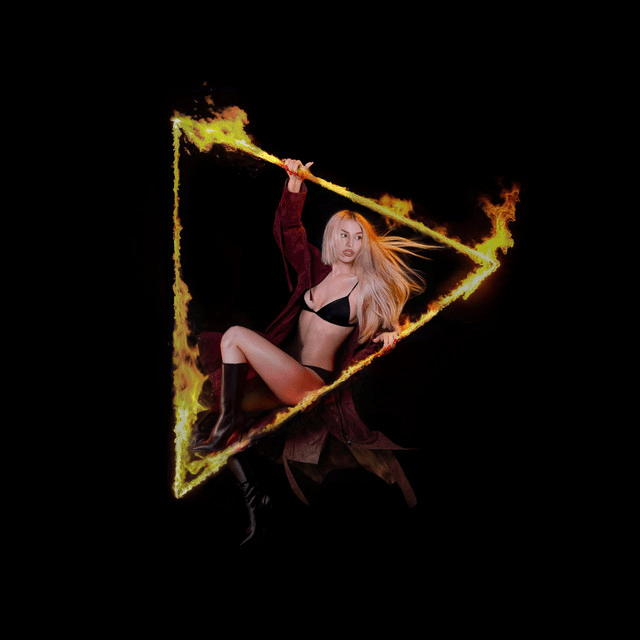
Ava Max, whose stage presence and image have long drawn comparisons to Lady Gaga, Kesha, and other pop divas of the 21st century, is a performer at heart who relies on a certain amount of camp in her music. Indeed, you don’t go into an Ava Max album expecting the lovelorn, synthpop-laced expert stylings of a Taylor Swift pop song, you’re expecting something fun and campy. Since these are both qualities that come very naturally to Max, it’s no wonder that when we put to rest our pop music purism and misogynistic criticism do we get what we came for. The cherry on top with Don’t Click Play is that Max is actually in on the joke this time, as if she wasn’t all along. Indeed, on every track on the record, Max is genuinely feeling herself. Whether she’s doing it literally and figuratively on “Lovin Myself” and “Sucks to Be My Ex” or in the form of a sweaty beach flirtation on “Wet, Hot American Dream,” the singer is encouraging herself and us to tune out the noise and lose ourselves in how great we can be left to our own devices. There is ultimately no skippable track on Don’t Click Play, as every song properly falls into the mold Max crafted for it. Whether she ever does end up recording a ballad feels moot now that she’s proven not only is she everything her haters say she is, but she’s also good at it.
Mimi Webb, Confessions
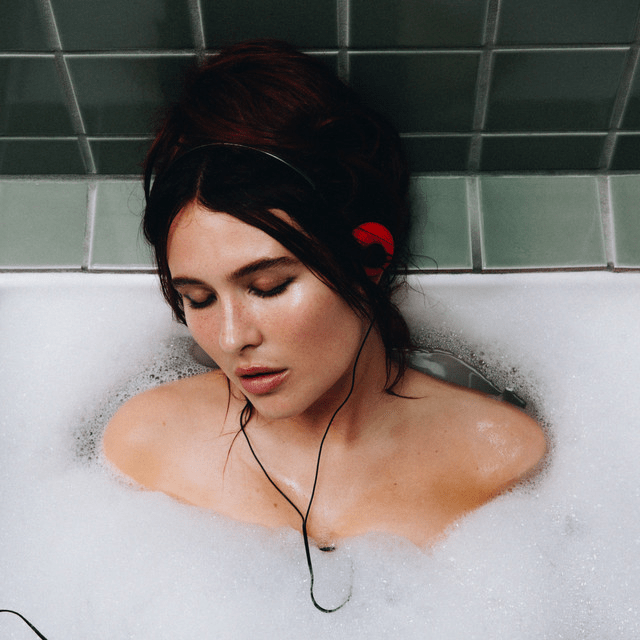
What’s so excellent about Mimi Webb’s second studio album Confessions is that each track sounds like a cathartic release. From airing the dirty laundry on “Narcissist” to the carefree beckoning to the dancefloor on “Love Language,” Webb has expanded her artistry merely by making a simple pop album with few expectations. The mark of a good pop album is a blend of anthems and ballads that resonate on an intimate level, which is exactly what Confessions does best. The ballads might not be the heaviest kind, but Webb gets her mission statement across beautifully on the title track: “Wish that I could be myself just even half the time / Wish there was a mirror where I wouldn’t have to lie / Wish there was a world that I didn’t have to hide / My confessions.” Although it’s the final track, the singer has spent the previous eleven songs living up to the notion that confessing our deepest fears and emotions through song is one of the most powerful choices to make as an artist. Although it may seem minimalist and traditional in its approach as a pop album, Confessions is an invitation to feel deeply (“You Don’t Look at Me the Same”), reflect on past relationships (“Side Effects”), and embrace the healing power of music (“My Go”).
Sarah McLachlan, Better Broken

On her first studio album of original material in 11 years (released in conjunction with her highly acclaimed documentary film Lilith Fair: Building A Mystery), Sarah McLachlan tells us that we are truly at our best when broken, and spends the next 45 minutes trying to make us believe her. “Illusions come, the venom stings,” McLachlan sings on the title track. Whether she’s referring to the ageism she faces as a woman of a certain age making music, or how hard she’s had to fight her entire career (see also: the Lilith Fair documentary) for a male-dominated industry to take her seriously seems to speak for itself. What’s ironic about Better Broken is that the singer sounds like she knows she has nothing left to prove. If anything, the record is a warning sign for the younger female singer-songwriters who have and will come after her. As she channels her best Alanis Morissette impression on “Only Way Out is Through,” the dark horse of Better Broken is surely “One in a Long Line,” a Brandi Carlisle-esque folk offering that, while likely referring to a long line of strong women in her own family, speaks to the long line of strong female singer-songwriters that she has helped to lead: “I’ve worked hard to know myself, you don’t get to decide / What I believe, what I give up, how I grieve / So take your dirty hands off of my wheel.” With a long, illustrious career behind and still in front of her, McLachlan is done listening to people who aren’t going to understand her. She’s still building a mystery, if you will, and a feminine one at that, and we are still gladly standing in line to buy tickets to her show.
Demi Lovato, It’s Not That Deep
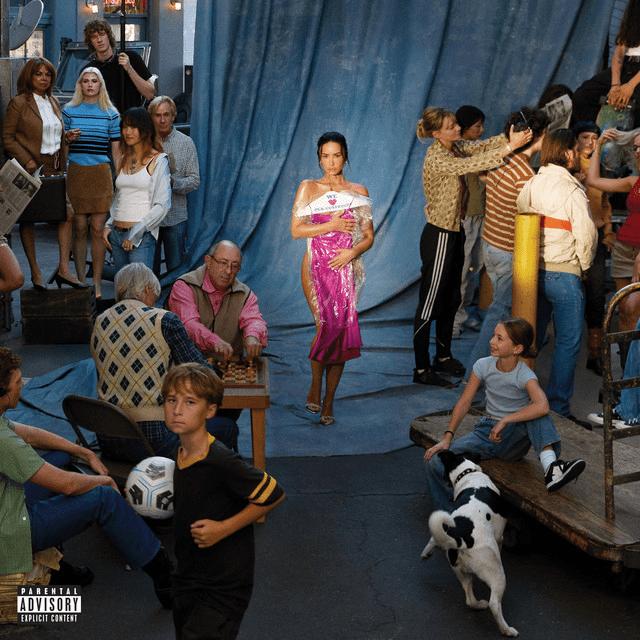
Demi Lovato’s ninth studio album, the appropriately titled It’s Not That Deep, finds the singer leaning into a much lighter and carefree production in stark contrast to the hard rock stylings of its predecessors as well as Lovato’s penchant for deeply felt, highly emotive tracks. Such ballads were apropos of a young star who has faced more than her fair share of personal struggles in the public eye. Where her last album Holy Fvck was an angst-ridden exorcism of personal demons, It’s Not That Deep could not be more different than its older sibling. Since a highly publicized battle with addiction came to a head at the end of the 2010s, Lovato has since gotten candid about the person she is now; she even got married earlier this year. Her latest LP is reflective of the levity she has at long last experienced in her current life stage. There are moments where the Demi we know and love shine through: on the second single “Here All Night,” Lovato fashions a true “banger” in which she’s prepared to wait all night for the hurt that a lover caused her to fade. On “Let You Go,” she ever so slightly conjures memories of one of her heaviest ballads “Stone Cold” over much lighter production. The record’s crowning achievement is “Sorry to Myself,” an upbeat ode to the previous versions of herself that Lovato treated so unkindly. While far from her best work, something not as deep seems to be the kind of art the singer needed to make right now.
Florence + the Machine, Everybody Scream
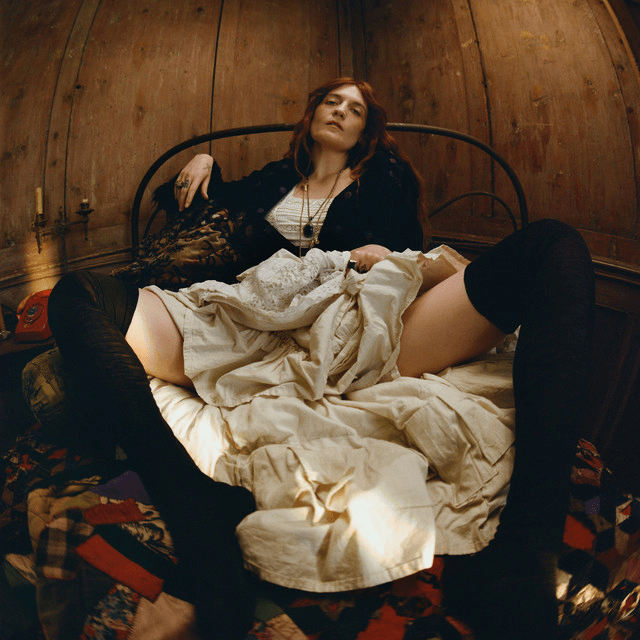
Lead singer Florence Welch has never shied away from digging deep into the inner workings of her own femininity throughout the Machine’s discography. She has kept the band’s devoted fanbase well fed over the course of their career with anthemic releases that speak to the goth in all of us. But she sounds more fed up than anything else on Everybody Scream, if that was even possible. She’s done placating her songwriting and her image to audiences who don’t understand them. Their latest LP is for those who have always understood. Welch’s lyricism and the Machine’s artistry have always enjoyed a feminist slant, but it appears much more in-your-face on Everybody Scream in a way that is so deliciously unabashed. Case in point: the album cover features Welch slouching in a typical masculine fashion with her knees open, flipping the bird to countless patriarchal concepts in just one image. This undercurrent is felt throughout the record and is what makes it the band’s most compelling work to date. In a year fraught with worrying global headlines and so much political tension, a cathartic release like the one Welch is embodying on the record is more than necessary at the current moment. So let us all join hands at once and scream.
What were some of your favorite albums of 2025?

 Jeffrey Reads