

Every other year, someone somewhere announces that music is dying or already dead. Whether it’s singers rising to fame on TikTok with barely two-minute songs that have allegedly killed the pop music bridge, or the survey that suggests the guitar riff is on the way out, there’s always a new trend that listeners and critics of days past are going to find reason to criticize. The fact of the matter is there’s always great new music to be found if only you allow your ears to hear it.
Popular music tends to happen in waves, and many publications have alleged that 2023 was a surely lackluster year in terms of albums, but what they really mean is that there wasn’t necessarily a runaway blockbuster hit of a record this year. In the streaming age, what’s cool today can be boring tomorrow morning, so it’s all about finding your niche — perhaps the best word to describe my picks for the 10 best albums of 2023. The new blends with the old to create something long-lasting, if only we have the patience to listen.
Ava Max, Diamonds & Dancefloors
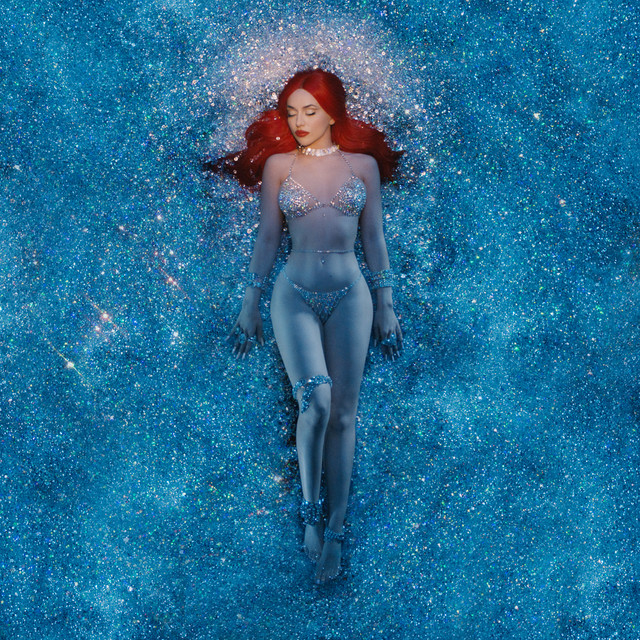
Ava Max described Diamonds & Dancefloors as her most personal work yet, having worked through a breakup in her personal life by channeling her emotions into the songwriting. The album doesn’t quite sound like a breakup record on the surface, since we’re wired to expect emotive ballads on such a work. Rather, the singer took a different route, creating her latest in a catalogue of dance-pop that pushes no boundaries but instead drowns our sorrows on the dancefloor. And we all need that sometimes. Where Heaven & Hell was consistent and conceptual, Diamonds & Dancefloors is more of a club album, drawing large influences from Europop and nu-disco. The lyrics, despite being described as of a personal nature, are unoriginal and unremarkable. “Stop using your words as weapons,” she shouts on one of the record’s singles. On paper, it’s kitschy and nothing special. To the ears of the pop music fan, it’s an up-tempo, cathartic escape from trying to keep up with sonic trends. To paraphrase Taylor Swift, we think we’ve seen this film before, and we did like the ending, so we saw it over and over again. For those who appreciate a certain branch of dance-pop, Diamonds & Dancefloors is a euphoric escape from the harsh realities of adult life.
P!nk, Trustfall
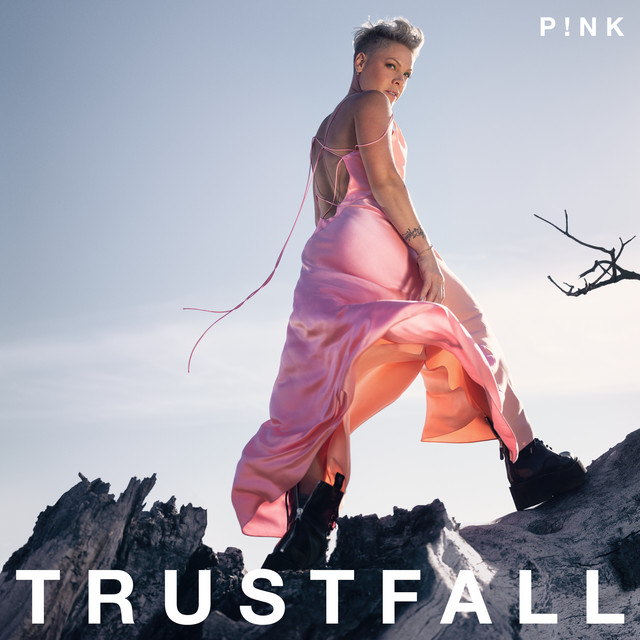
“Close your eyes and leave it all behind,” Pink tells us amidst EDM production that begs to be put on repeat. It’s not necessarily that pop singers grow up and get boring as fandom chooses to believe. It’s that singers like Pink need to be fully in their element to get their point across, which she is on her ninth studio LP Trustfall. “Wouldn’t you think by now I’d be ready?” she asks on “Feel Something,” one of the highlights on a track listing that consists mostly of ballads reflecting on life, loss, and the reality of living in an age of anxiety. Pink gets nostalgic and emotional elsewhere on “Kids in Love” or “Our Song,” but it is offerings like “Hate Me” that make Trustfall sound like a full-circle moment for the singer in ways that its predecessor Hurts 2B Human was just a collection of songs about how life is hard. Indeed, years after outgrowing her manufactured role as the “not like other girls” figure in pop music and culture, Pink has matured into a musician seldom other female pop singers reach. So what if we just fall, as she suggests? Would life get easier? I’d like to think so.
Gracie Abrams, Good Riddance

“Maybe I’m just difficult,” ponders Gracie Abrams on the lead single from her debut studio album Good Riddance. The singer, who was in fact an inspiration of Olivia Rodrigo’s for her own debut LP two years ago, steadily built her name on emotive bedroom pop that grapples largely with the anxiety of early adulthood, and all the messy feelings that come along with it. Much of the album’s appeal comes from its strength in creating time capsules out of songs, showcasing Abrams’ ability to capture her feelings so vividly through her songwriting. Whether you’re listening to “I Know It Won’t Work,” “Amelie,” or “This is What the Drugs Are For,” it doesn’t quite matter what precisely the track is about, but rather what emotions are being processed within its lines. Hope, fear, escapism, and depression are on full display on Good Riddance with unabashed honesty. Described as “Gen Z’s melancholy maven” by Rolling Stone, Abrams’ knack for letting her humanity bleed through her work is the perfect reminder that melancholia need not be a bad thing.
Miley Cyrus, Endless Summer Vacation
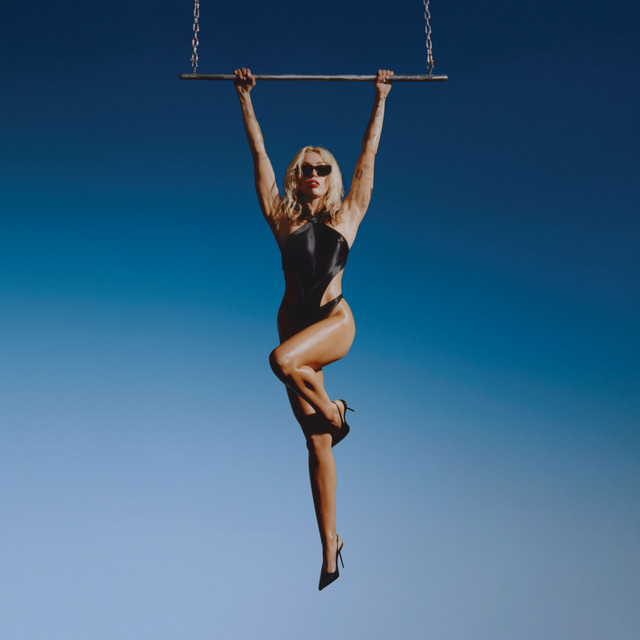
Miley Cyrus has gladly reversed the narrative that has followed her for the last decade with her latest record, whose name alone sounds like one could expect a dance-pop album that would impact mainstream airplay just in time to influence the summer charts. But that’s far from the case: Endless Summer Vacation is, in fact, suggesting that the real endless summer vacation for all of us is not the rave pop music purists have come to demand from Cyrus. Rather, it’s protecting our peace, staying in our lane, and buying yourself some damn flowers every now and then because we deserve them. But what makes the LP a full-circle experience is not Cyrus’ newfound sense of self and maturity in her thirties but rather that she’s accepted more chaotic parts of herself that aren’t going to change. “You know I’m savage, you’re looking past it / I want that late-night sweet magic, that forever-lasting love / But only if it’s with you,” she sings. The singer knows what she wants from life and isn’t afraid to go after it, while also maintaining protection over her own happiness. “Forever may never come,” she tells herself, for once sounding secure in such a proclamation.
Jessie Ware, That! Feels Good!
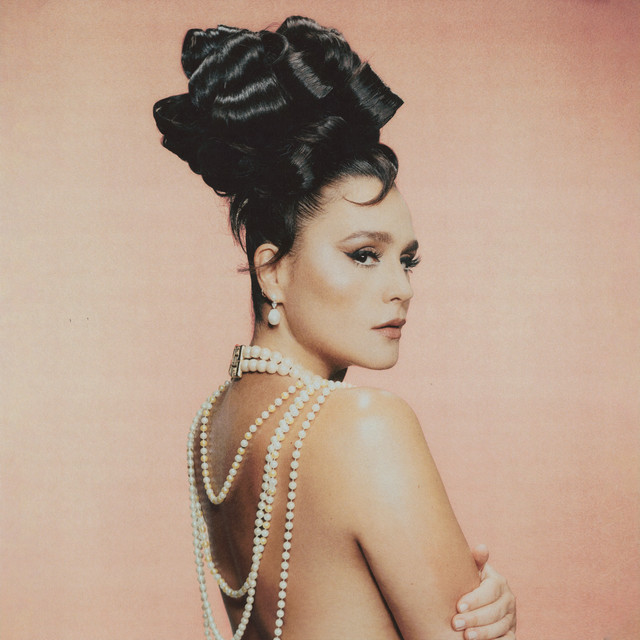
Where Dua Lipa’s Future Nostalgia and Kylie Minogue’s Disco are still modern pop LPs that merely draw inspiration from disco’s past, Jessie Ware’s last album What’s Your Pleasure? possessed a nostalgic quality in that it sounded as though it could have legitimately been recorded by Donna Summer in another life. Where Ware’s North American peers had spent decades infusing their present-day pop with tinges of the past, the singer hunkered down and delivered something eerily akin to the club culture of the 1970s. The singer continues this trend on its follow-up That! Feels Good!, setting the tone on its title track where she boldly declares, “Freedom is a sound, and pleasure is a right. Do it again.” In an era littered with pop singles of barely two minutes long in order to ensure viral culpability on TikTok, Ware reminds us why disco songs need to be a minimum of four minutes: two minutes to adjust to the vibe, and another two minutes to get our freak on. It’s albums like That! Feels Good! that younger generations and trendsetters should be paying more attention to, as incorporating the still-relevant past into new work is not only what can make some of the best art, but some of the bravest art. Especially when us underdogs have had to fight for it, what is life if not for fun?
Kelly Clarkson, Chemistry
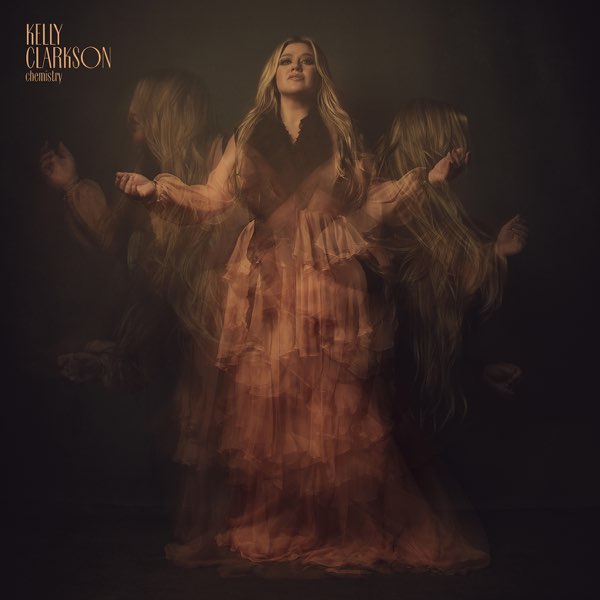
“I’m real good at forgivin’, but my heart can’t forget,” sings Kelly Clarkson on her highly anticipated latest studio album. As Clarkson attests on her latest studio effort Chemistry, she is in many ways is a mosaic of her past selves molded into the woman she is today. When her marriage to Brandon Blackstock ended in 2021, it didn’t take long for pop music enthusiasts to start hyping up her impending divorce album. The end result is a refined reintroduction to Clarkson as an entertainer rather than just the world’s first winner of American Idol. Chemistry reflects her hiatus from music while focusing on her television projects and her newfound musical freedom, even if it’s a bit tamer genre-wise than her last album Meaning of Life. “High Road” is the anthemic underdog track that longtime listeners will revel in, as Clarkson acknowledges how she, like most women, was raised to always cover their fears, be brave, put others’ needs ahead of their own, and to take the metaphorical high road. “I break my back on the things other people say / I’m gettin’ tired always tryin’ to do my best / When I don’t feel it.” In this sense, Chemistry’s central theme is not necessarily divorce and starting a new life but coming to terms with the burden of existence in a hetero-patriarchal culture.
Maisie Peters, The Good Witch
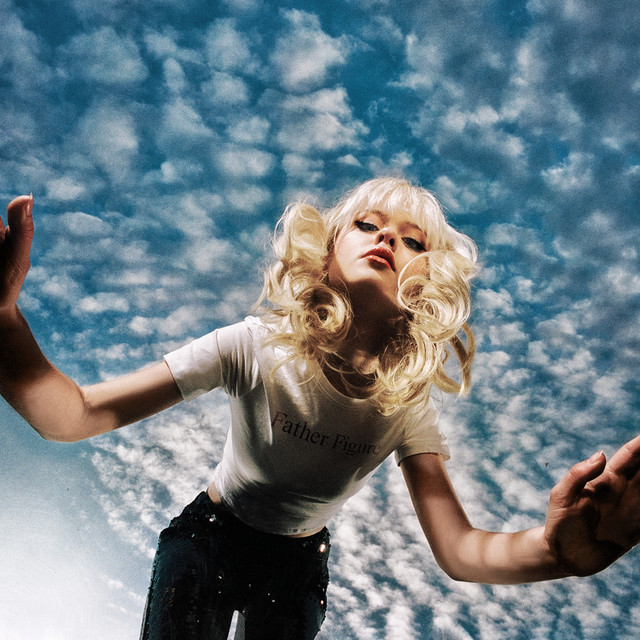
Maisie Peters’ The Good Witch isn’t just a breakup album with attitude and vigor. It’s a continuing saga of what it means to be a 20-something female musician in an era where people come of age on social media, which can be toxic and empowering at once. Indeed, it would be more suitable to classify Peters’ sophomore LP as a post-third-wave feminist record, where young women can embrace their ennui unironically. This is displayed best on tracks like “You’re Just a Boy (And I’m Kinda the Man)” and “Wendy,” where Peters concludes on the latter that young men are expected to be lost boys, and young girls are expected to be Wendy. The sooner women learn they don’t have to mother their male partners, the better. In fact, Peters is kind of “the man” for all intents and purposes since these are her stories, and she gets to decide how to tell them. She’s strong enough to know when she needs to go back to therapy or that while she can’t necessarily rewrite the history of man, she can control her space within it. It’s like the old saying goes: don’t get on a writer’s bad side, for their revenge could become immortal.
Olivia Rodrigo, Guts
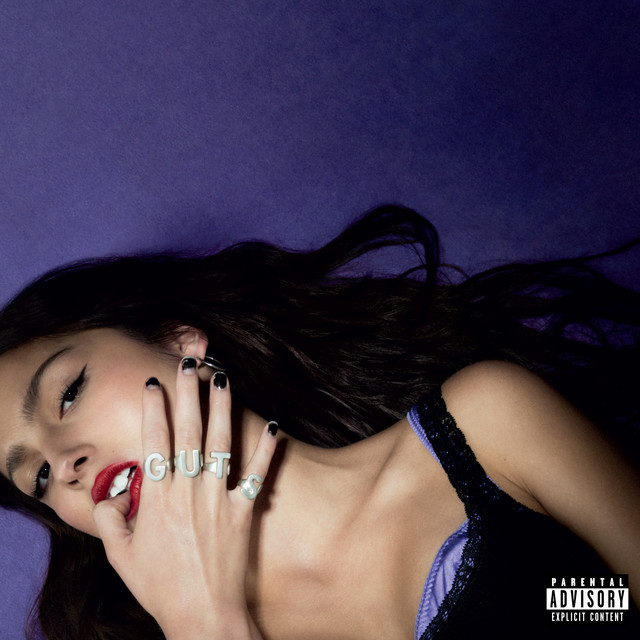
“So grateful to have Olivia Rodrigo making music to soundtrack my teenage years (I am in my mid-20s),” went one Twitter post when Olivia Rodrigo released her sophomore studio album Guts. Much like her debut studio album, Rodrigo’s music resonates greatly among disillusioned millennials and even older members of Gen Z who are in the re-parenting process of one’s twenties, where we have to heal the inner child or teenager that’s still hurting within. For many, the production on Guts that is heavily influenced by 2000s-era pop punk, indie rock, and new wave is a nostalgic trip down the memory lane of their own adolescence. For younger listeners, it’s genre-bending pop for a decade trying to rise above a pandemic, inflation, and a climate crisis. Whichever end of the spectrum you might land on, there’s rage, yearning, and reckless behavior here that transcends generations, and this in itself is a soaring accomplishment. There’s significant growth on display on the album as well, from the songwriting to the layered production that largely differs from the bedroom pop of Sour. Aside from one or two instances, her sophomore LP is more in line with the mid-aughts indie rock of The Moldy Peaches or Sky Ferreira more so than contemporaries like Gracie Abrams or Holly Humberstone.
Holly Humberstone, Paint My Bedroom Black
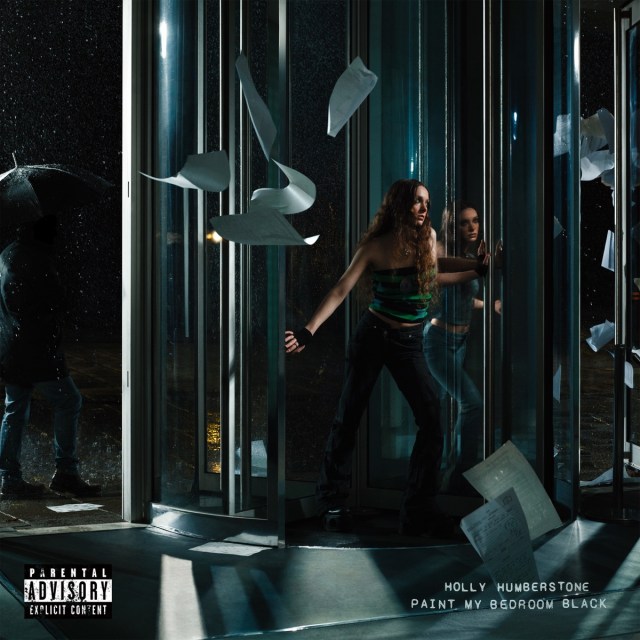
While an album title like Paint My Bedroom Black might suggest predictions of dark emo bedroom pop (it’s exactly that and more), rising alt pop singer Holly Humberstone still manages to turn that narrative on its head. Indeed, her debut studio album that follows Can You Afford to Lose Me? (a full-length compilation of her previous EPs) incorporates pop production from every subgenre on the market. There’s synths, there’s gloom, there’s the delightfully emo dance party you want to throw when things have managed to go wonderfully wrong once more on Paint My Bedroom Black, whose title track sets the pace for its journey. “Finally I’m living, not surviving,” she confesses, even though the overall sound of the album might suggest otherwise. But even when we start feeling like we’re living, there’s still the gravitational pull to what is familiar and what is comforting, suggesting that maybe the peace Humberstone is searching for throughout the record is found in the reruns of The O.C. she asks the listener if they’re free to watch tonight on “Cocoon.” Maybe there’s a certain unspoken power in letting ourselves have the best of both worlds, of experiencing new emotions while also clinging tight to old ones. Let’s all try painting our bedrooms black and drowning them out tonight.
Sam Fischer, I Love You, Please Don’t Hate Me
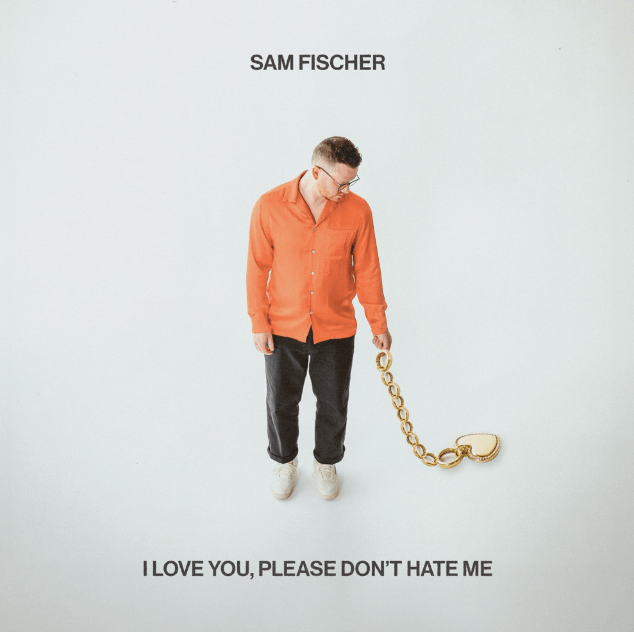
“It’s like I’m afraid of being fine / Like the love won’t stay if I’m alright,” proclaims Australian pop rock singer Sam Fischer on his long-awaited debut LP I Love You, Please Don’t Hate Me, the follow-up to several previously released EPs. Where female singer/songwriters generally generate significant praise and/or publicity for incorporating themes of mental health into their work (namely Demi Lovato, whose 2021 duet with Fischer “What Other People Say” appears on the album), the same admiration isn’t as quickly awarded to male pop singers, at least in the mainstream. Fischer’s growing body of work seeks to abolish that notion as his debut studio album draws heavily from his experiences with mental illness and growing up which, in a generation of young people plagued by mental health crises, is particularly relevant. The singer described the album as being about his relationship with himself, both in personal relationships and mental relationships. I Love You, Don’t Hate Me is a masterclass in vulnerable songwriting and makes productive use of various collaborations in addition to Lovato, with both Amy Shark and Meghan Trainor appearing on the record. But don’t be fooled — while Trainor’s bubblegum pop image might seem worlds apart from Fischer’s land of gloom, their duet “Alright” is surely a highlight of an impressively long track listing for a debut LP, even if some of the songs had already been released nearly three years ago. Fischer’s is definitely a name to watch in the pop music sphere.
Check out my picks for the best albums of previous years here.



 Jeffrey Reads