The summer sun has already long arrived, which means this particular installment of The Best Books I Read This Season is a few weeks late… but time is meaningless, right? This spring was not an amazing time for me personally, with persistent migraines severely affecting my day-to-day life. Turns out reading a crazy amount of books in short periods of time isn’t generally sustainable when you’re taken out by migraines! Who would’ve thought? However, in the brief moments where they weren’t all I could think about, I did manage to get into some great reading material. After all, I believe that if we couldn’t read to escape our troubles, or — sometimes simultaneously — to see our experiences reflected back at us in the most unlikely of narratives, life itself wouldn’t be sustainable. So as long as we can still read, at least a little, things aren’t completely hopeless! Read on for the best books I read this spring.
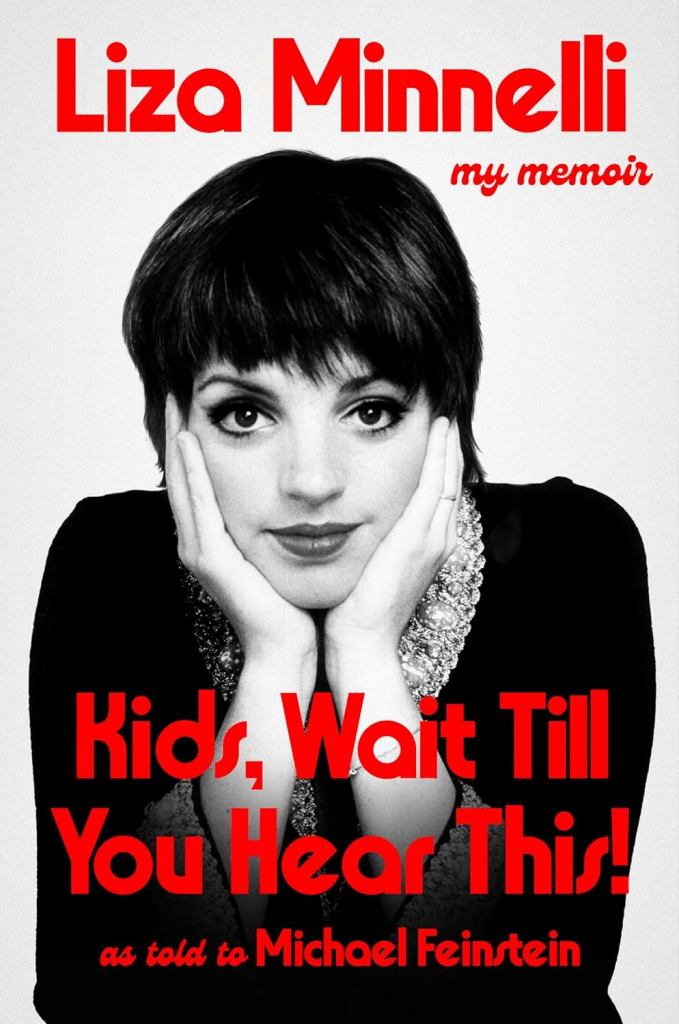
Kids, Wait Till You Hear This! by Liza Minnelli
Global icon Liza Minnelli shares her inspiring stepping out from the long shadow of a mega-star mother and legendary film director father, fighting a lifetime battle with addiction, and emerging from it all to become a once-in-a-lifetime artist. This fascinating, untold story reveals the intimate truth of the only child born to Hollywood legends Vincent Minnelli and Judy Garland. For the first time, here is Liza up Raw, strong, sexy, hilarious and heartbreaking. Liza decided at the age of 16 that “sympathy is my mother’s business. I give people joy.” That veil of joy, however, masks a lifelong struggle with Substance Use Disorder, hunger for love, broken marriages, multiple miscarriages, and hospitalizations — the highs and lows of unparalleled artistic success and lifelong friendships, as well as chronic anxiety and the threat of financial ruin. Despite every challenge, Liza’s is a life wrapped in laughter. Now she opens her heart, mind, and memories, sharing secrets we never knew. “It’s time to tell the truth, she says, “and help people heal, as I have, one day at a time.”
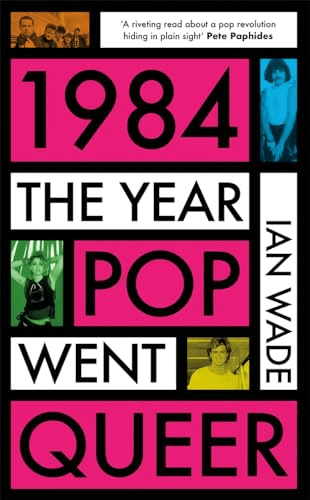
1984: The Year Pop Went Queer by Ian Wade
In 1984, pop came out of the closet — even if not all of the artists felt that they could — and, in the process, charted the course of the rest of the decade. In 1984: The Year Pop Went Queer, writer and musician Ian Wade charts where these artists, including Queen, George Michael, David Bowie, Pet Shop Boys, Frankie Goes to Hollywood, and Madonna — who all enjoyed chart success in 1984 — were during that epoch-making year. It studies the impact these groundbreaking musicians had before, during and after on the gay community and popular culture, and it demonstrates how they were able to break down barriers, raise consciousness, and set in motion the first nascent ripples in a pond that are still being felt today. As a backdrop, it explores the strides made in the name of the cause and how the wider surrounding culture reacted with equal parts glee, bafflement, and disgust.
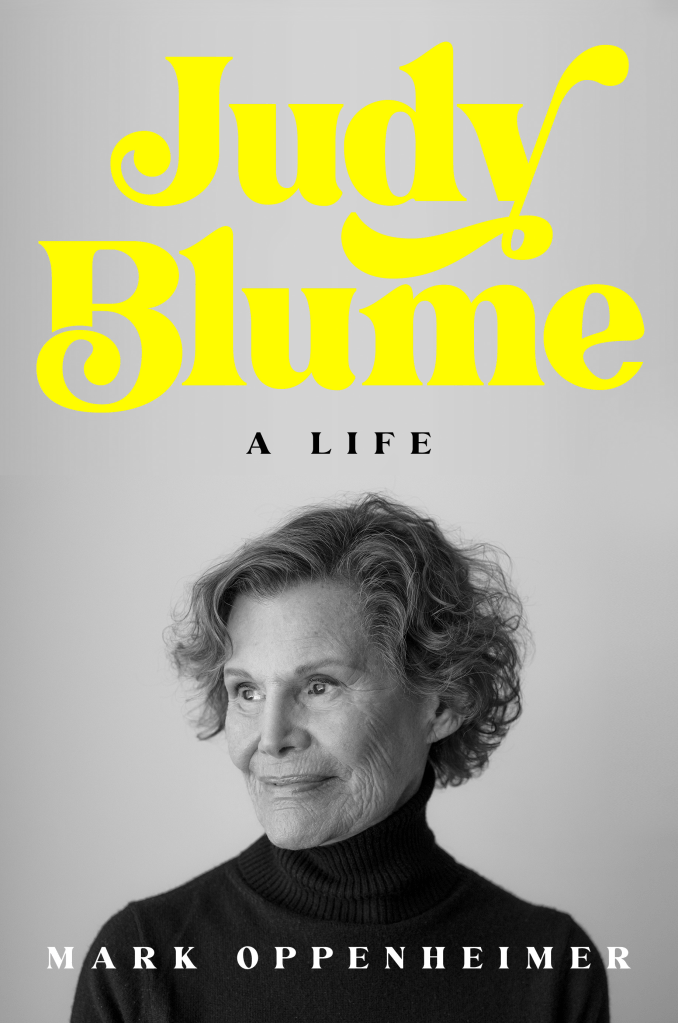
Judy Blume: A Life by Mark Oppenheimer
To know the name Judy Blume is to know and love literature. Her influential novels turned classics — including Are You There God? It’s Me, Margaret; Tales of a Fourth Grade Nothing; Deenie; and Summer Sisters — touched the lives of tens of millions of adults and children. For more than fifty-five years her work has done something it rewired the world’s expectation of what literature for young people can be — frank, candid, earthy, and unafraid to show the messier sides of humanity. But Judy Blume was an unlikely literary icon. Judith Marcia Sussman, a Jewish girl born in New Jersey to a dentist and homemaker, was a restless, thirty-year-old, stay-at-home mother of two young children when her lifelong passion for reading turned, suddenly and surprisingly, into a talent for writing.
What followed was a burst of creative energy unrivaled in modern ten books (starting with Iggy’s House and ending with the incendiary Forever) in just five years that reshaped literature for generations. And the emotional core of her beloved books — death, religion, coming-of-age, sexuality, bullying — are found in the experiences she herself faced as a child, many of which have never before been unpacked. In Judy Blume, journalist, historian, and longtime Blume aficionado Mark Oppenheimer pens a beautiful, multidimensional portrait of the acclaimed author through extensive interviews with Blume herself and unrivaled access to her papers and correspondence. Oppenheimer goes deep, exploring Blume’s middle-class, 1950s upbringing; complicated childhood; varied relationships and marriages; unabashed sexual experiences; bouts of heartache and loss; and enduring legacy as a champion of free speech and contemporary literature. Oppenheimer peels back the curtain to reveal the woman behind the literary empire in all her complex, multifaceted glory — a true gift for anyone who grew up reading and loving these extraordinary books.
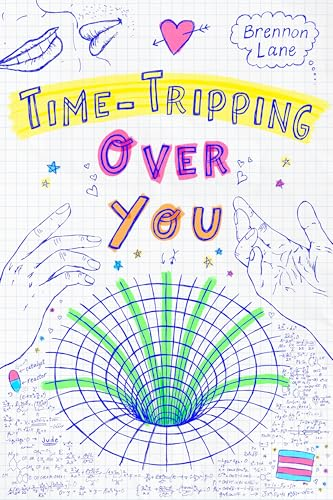
Time-Tripping Over You by Brennon Lane
College freshman Silas Turner is a scientific anomaly. Thrown back in time uncontrollably, he’s forced into his pre-transition body for hours to days at a time, reliving random events in his past. Why? Every cell in his astrophysics major brain is straining to figure it out. But the “time trips” just keep on coming, disrupting Silas’s life, and he’s certain he’s a one-of-a-kind phenomenon — until brash, guitar-playing Jude Forrester barges into his life, exhibiting the same symptoms.
He claims a future version of Silas visited him, and that, according to future-Silas, they’re meant to help each other stop the time trips. If working together can really lead to finding a cure, Silas can handle Jude’s tortured-artist attitude; Jude can humor Silas’s nerdy obsession with the stars. As they get closer to a solution, they grow closer to each other. But Jude is still grieving an old connection that broke his heart, and he can’t help but wonder if changing the past might save himself and Silas a lot of heartache. Amidst cataclysmic consequences, Silas and Jude must face the cosmic circumstances that brought them together if they hope to protect their timeline — and the future they seem destined to share.
Thank you to Page Street YA for the ARC!
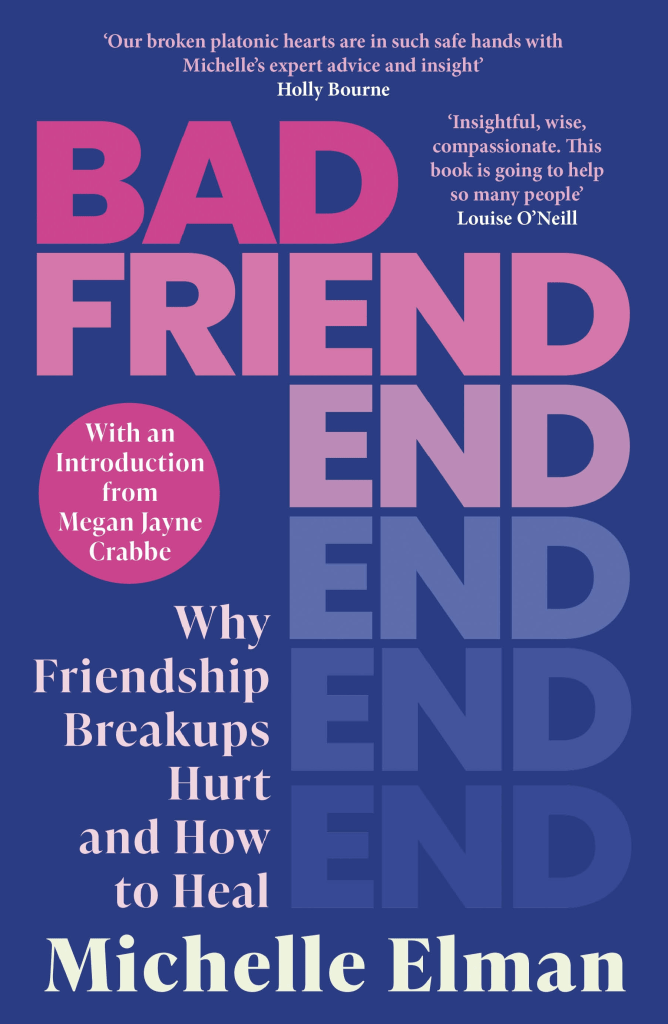
Bad Friend: Why Friendship Breakups Hurt and How to Heal by Michelle Elman
Society’s message is loud and romantic relationships matter more than friendship. But when we have an average of twenty-nine platonic relationships in our lifetime, compared to just seven-to-ten romantic relationships, why is the conversation on love far greater than friendship? Life coach and broadcaster Michelle Elman is determined to fix this. If the conversation on friendship is quiet, the one on friendship break-ups is non-existent. This is despite research showing that only six friendships stand the test of time, which means that the average person experiences the ending of twenty-three friendships. As someone who has gone through a dozen of them, Michelle began to think she was a Bad Friend.
Have one too many friendship break-ups and people start questioning what’s wrong with you. But what if you aren’t the problem? What if the problem is how we think about friendship break-ups? Introducing Bad Friend, a groundbreaking masterclass in friendship that makes space for every conversation you have never been allowed to have. Bad Friend will make you question everything you’ve been taught about friendships, and removes the stigma from friendship break-ups. This is for you if you’ve ever been hurt by a friend and, most importantly, reassures you that you’re categorically not a bad friend.

Famesick by Lena Dunham
For the last decade, as she’s spent countless hours in doctor’s waiting rooms searching for diagnoses, treatments, and relief, being the owner and operator of Lena Dunham’s body has felt, as she puts it, “like towing a wrecked car across town at midnight.” It’s not easy dragging a wrecked car anywhere, much less to the Met Gala while sewn into a gold lamé corset. Or to the set of the hit show that you, as a twenty-five-year-old, are writing, directing, producing, and starring in. Or to the White House, the Golden Globes, or your publicist’s office to discuss the latest internet disaster. But Dunham does it, even if it means interminable hospital stays, vomiting in the bathroom when she’s meant to be meeting Oprah, or terrifying those closest to her, because she can no longer tell the difference between fighting to do what she loves and being a servant to her own ambition. All the while, she is holding out for a love that can withstand her personal and public challenges and, more than anything, yearning to feel like herself again, if only she could remember who that self was.
As Dunham takes us through her journey, tracking her rise to fame — from selling the pilot of Girls to the present — in three acts, it becomes clear that the spotlight casts long shadows, distorting the relationships she once held dear and isolating everyone in its glare. When an endless supply of drugs can’t protect you from pain, and begins to control your every move, being famous doesn’t stand a chance against the darker corners of the human experience. In Famesick, Dunham asks herself what the cost of fulfilling her dreams has really been, and whether it was worth it. What she finds is deeper than physical relief, and more lasting, as she learns to live with what she can’t change and turn her regrets into wisdom that can carry her forward, as she reconnects to what, and who, she loves.
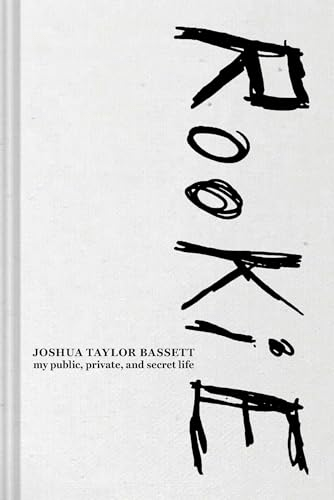
Rookie: My Public, Private, and Secret Life by Joshua Bassett
A love letter to the rookie in all of singer/actor Joshua Bassett’s fearless memoir in verse about surviving the darkest moments of fame, addiction, and mental health struggles — and finding hope on the other side. “We’re all figuring it out as we go along. Even the ‘pros.’” This brutally honest collection reveals what it’s like to have your most private moments become public: what really happens when you give a broken teenager the world at his fingertips, then watch him nearly lose everything. “This is, to date, my most vulnerable and terrifying piece of work.” From the depths of addiction and suicidal ideation to the hard-won lessons of recovery, Bassett shares his journey with raw vulnerability and courage. Along the way, he discovers that even in our darkest moments, we can choose to keep moving forward.
“The only way out of fear is to face it again and again until it loses its grip.” More than a memoir, Rookie is a movement celebrating the sacred space between who we’ve been and who we’re becoming. A hopeful roadmap and practical wisdom for anyone learning that your worst moments don’t define you, even when the whole world is watching. “I keep waiting for the sea to settle when I need to learn how to surf.” For anyone who’s ever felt like an outsider, struggled with self-doubt, or wondered if things can get better, this book is for you.
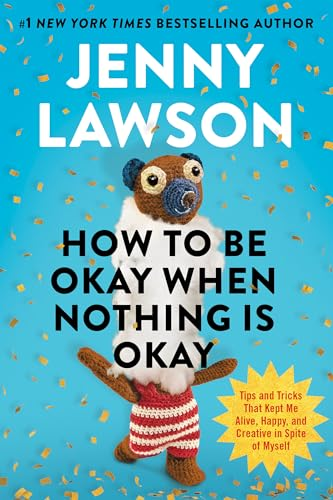
How to Be Okay When Nothing is Okay by Jenny Lawson
Jenny Lawson is full of contradictions. She’s a celebrated author but battles self-doubt, paralysis, and anxiety. She’s an award-winning humorist but struggles with treatment-resistant depression. The questions people most often ask her are, “How do you do it? How do you keep going even when it feels impossible? How do you keep creating?” This book is her answer. In How to Be Okay When Nothing Is Okay, Jenny shares more than one hundred humorous, heartfelt, and genuine tools and tricks that she relies on to keep her going even when her brain isn’t working properly due to depression, anxiety, and ADHD. She also offers tips to stay passionate and focused on creative endeavors, especially when everything around you is saying to give up.
With chapters like “Wash Your Brain More Than You Wash Your Bra” (sleep, you beautiful human), “Working on Easy Mode Is Still Working” (asking for accommodations is okay!), “Celebrate Good Times, Come On!” (make it a habit to celebrate the good things), and many more, How to Be Okay When Nothing Is Okay is a balm and companion, reminding us all that we are not alone. It’s for anyone who struggles with self-doubt, guilt, motivation, and mental blocks and wants to rekindle their passion for creating. Funny, simple, empathetic, and full of hope, it will encourage you not to just survive but to find and curate joy in the face of difficult times.
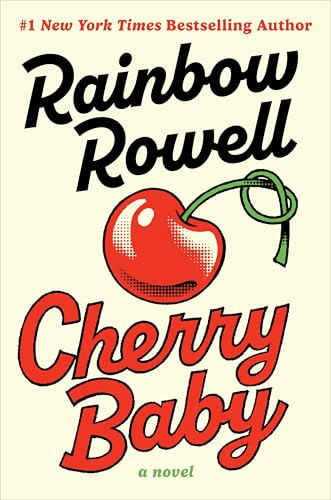
Cherry Baby by Rainbow Rowell
Everybody knows that Cherry’s husband, Tom, is in Hollywood making a movie… Almost nobody knows that he isn’t coming home. Tom is the creator of Thursday, a semi-autobiographical webcomic that’s become an international phenomenon. Semi-autobiographical. That means there’s a character in this movie based on Cherry. “Baby.” Wide-hipped, heavy-chested, double-chinned Baby. Cherry never wanted this. No fat girl wants to see herself caricatured on the page — let alone on the big screen. But there’s no getting away from it. Baby looks so much like Cherry that strangers recognize her at the grocery store.
While her soon-to-be ex-husband is in Los Angeles getting rich and famous and being the Internet’s latest boyfriend, Cherry is stuck in Omaha taking care of the dog he always wanted and the house they were going to raise a family in, and wondering who she’s supposed to be without him. Cherry had promised to love Tom through thick and thin. She’d meant it. One night, Cherry decides to leave all her problems, including Tom’s overgrown puppy, at home. She ventures out to see her favorite band play her favorite album, and someone recognizes her from across the room. Russ Sutton knew Cherry when she was a young art student with a fondness for pin-up dresses and patent leather heels. Before Tom. Russ knows Cherry. He likes Cherry. And best of all, he’s never heard of Thursday. Tender, funny, and utterly human, Cherry Baby is Rainbow Rowell’s richest, most surprising — sexiest — novel yet.

Soundtrack: A Lyric Memoir by Michael V. Smith
Is a song enough to hold all the truths we cannot bear without it? From award-winning writer Michael V. Smith comes a poetic memoir about growing up gay in the shadow of AIDS. Embodying an elusive part of queer history, these song and album-inspired pieces capture the last three decades of the millennium and reveal how music has an uncanny ability to remind us not just where we were at a given moment in time but who we were. With his signature humor and tenderness, and guided by the music of the era, Smith catalogues social prejudices, court rulings, and medical breakthroughs, alongside personal devastations, triumphs, and the search for community. From a first crush toting a Michael Jackson Thriller cassette, to falling in love to the music of Jane Siberry, to dancing at a gay bar to “Groove is in the Heart,” Soundtrack is a moving personal record of a man who survived the lost generation and a vital document of queer joy.
What were some of the best books you read this spring?